Peru – Into the Jungle
Introduction
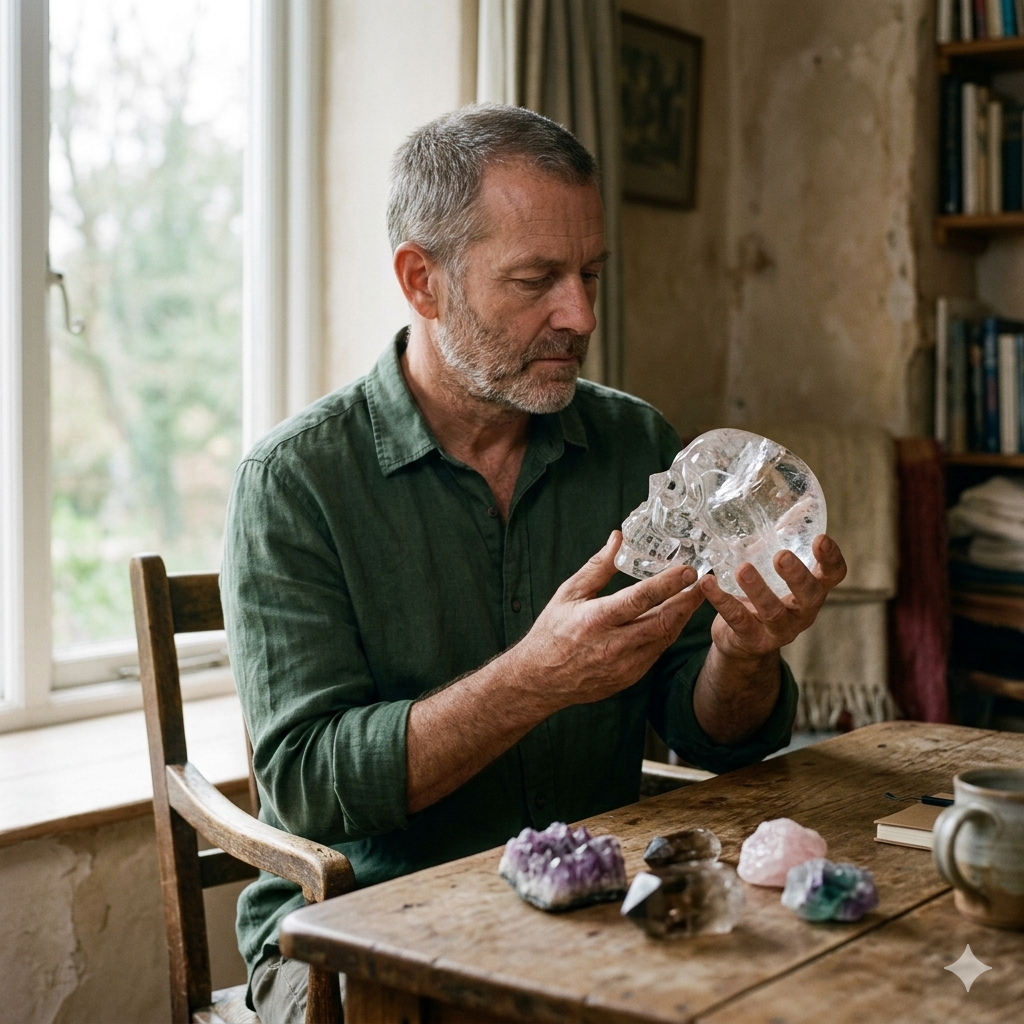
After Egypt, I returned home altered but not settled. My meditation deepened, and I found myself increasingly drawn to crystal skulls. Unlike other stones, they did not seem to absorb or hold energy; instead, they reflected my own consciousness back to me with stark clarity. Working with them was not comforting. It was exposing. They revealed the patterns I was still carrying, the fear I had not yet released.
During this period, I connected with a man in America devoted to crystal skulls. He was organising an expedition into the Peruvian jungle to search for an ancient Blue Quartz Crystal Skull. Without fully understanding why, I agreed to join him. The decision felt aligned rather than impulsive, as though something in me was continuing a thread that had already begun.
Arrival and Intention
We met in Lima and, after a brief stay, flew north to Tarapoto. The landing was abrupt. As our small plane touched down on a grassy runway, soldiers emerged from the surrounding fields, a clear reminder that we had entered a region known for drug plantations. The tone shifted instantly from spiritual curiosity to something more charged and unpredictable.
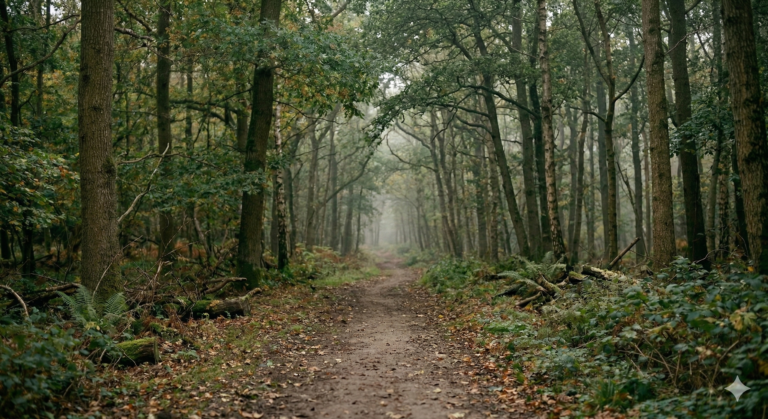
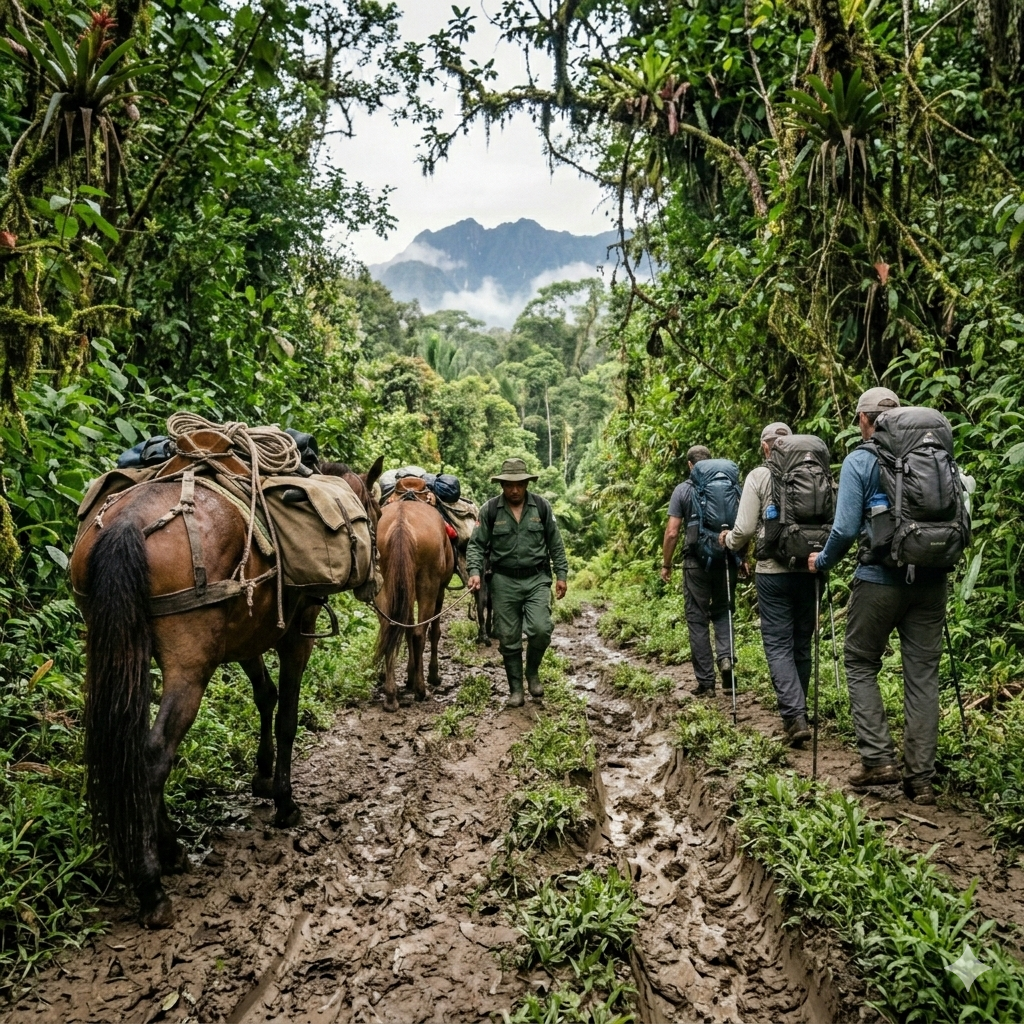
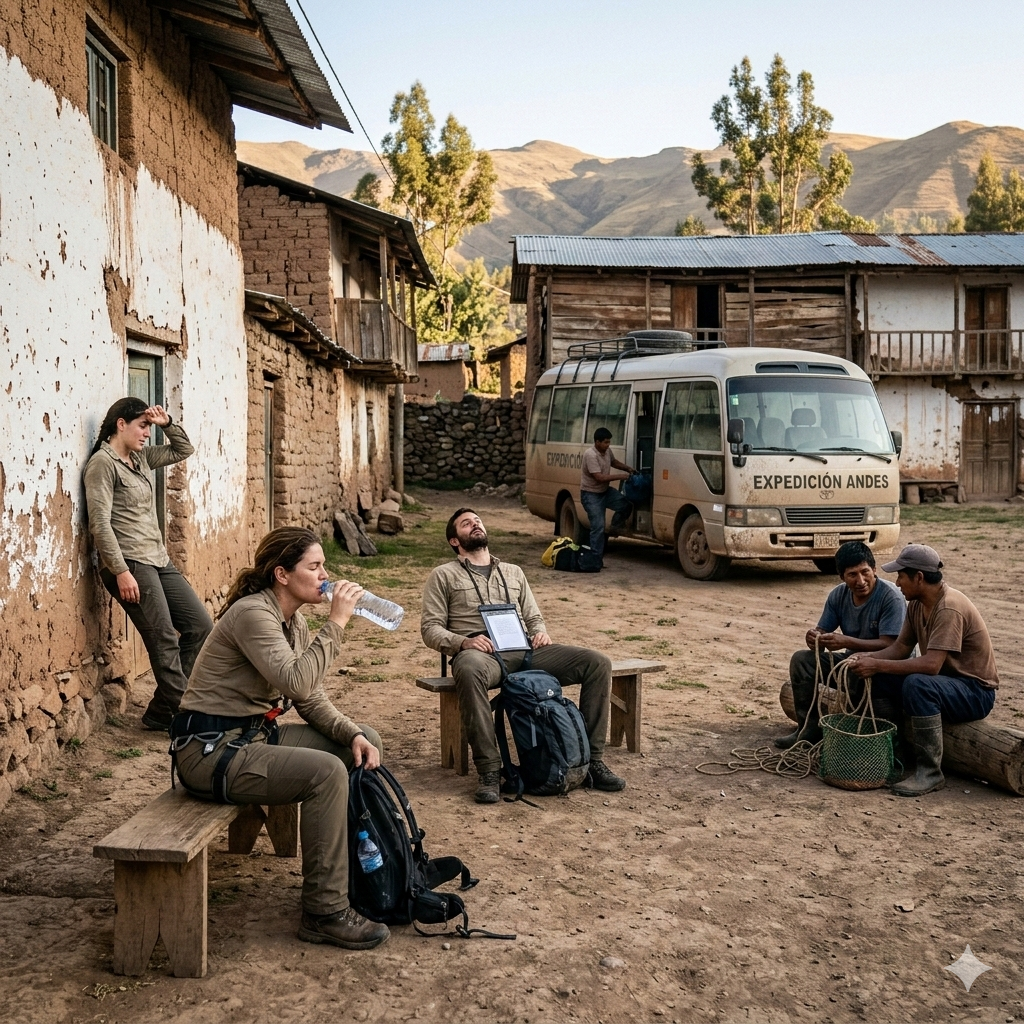
From Tarapoto we travelled by minibus towards the jungle’s edge, where we met our guides. Packs, hammocks and supplies were loaded onto horses before we began walking deeper into the forest. The air was heavy with moisture and scent, and the jungle felt ancient and watchful. This was no longer theory or symbolism; it was physical terrain demanding endurance.
As preparations continued, we learned that the BBC had taken an interest in the journey. The editor invited me to participate because of my experience working with energy. The expedition was no longer solely about the search for a crystal skull. It was also framed as an exploration of lost ancient cities, and cameras were now part of our company.
Into the Forest
Our first stop was a small village arranged around a modest schoolhouse. We ate lunch there and met some of the locals. Their way of life was simple, practical and grounded, which contrasted sharply with the symbolic intensity of why we had come. Among our group was a woman who specialised in creating flower essences. She collected rare flowers to produce unusual tinctures, while my focus remained on crystals and their resonance.
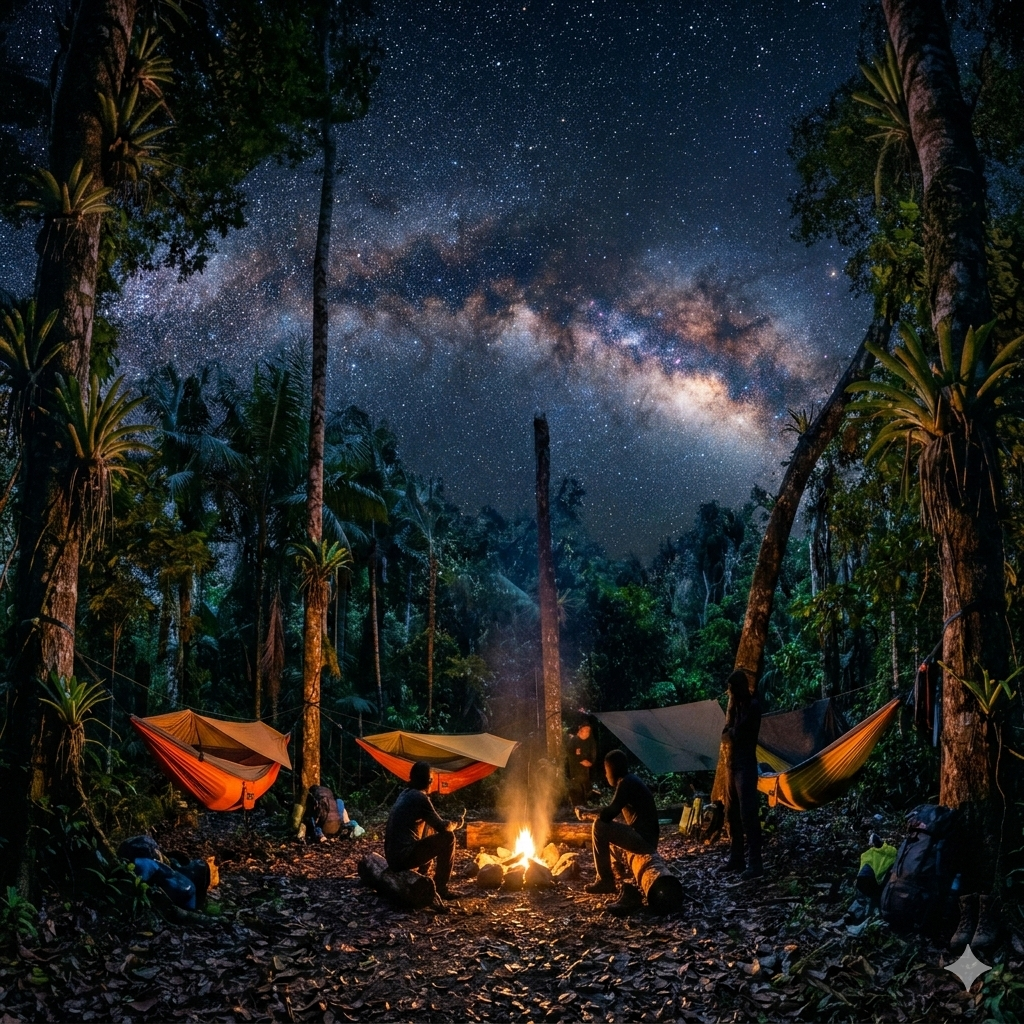
The nights in the jungle were overwhelming in their intensity. Birds, insects and unseen creatures filled the darkness with sound, and without the glow of cities the sky felt vast and unfiltered. Each morning we washed in glacial river water flowing down from the mountains. It was icy and unforgiving, yet it marked the beginning of another demanding day.
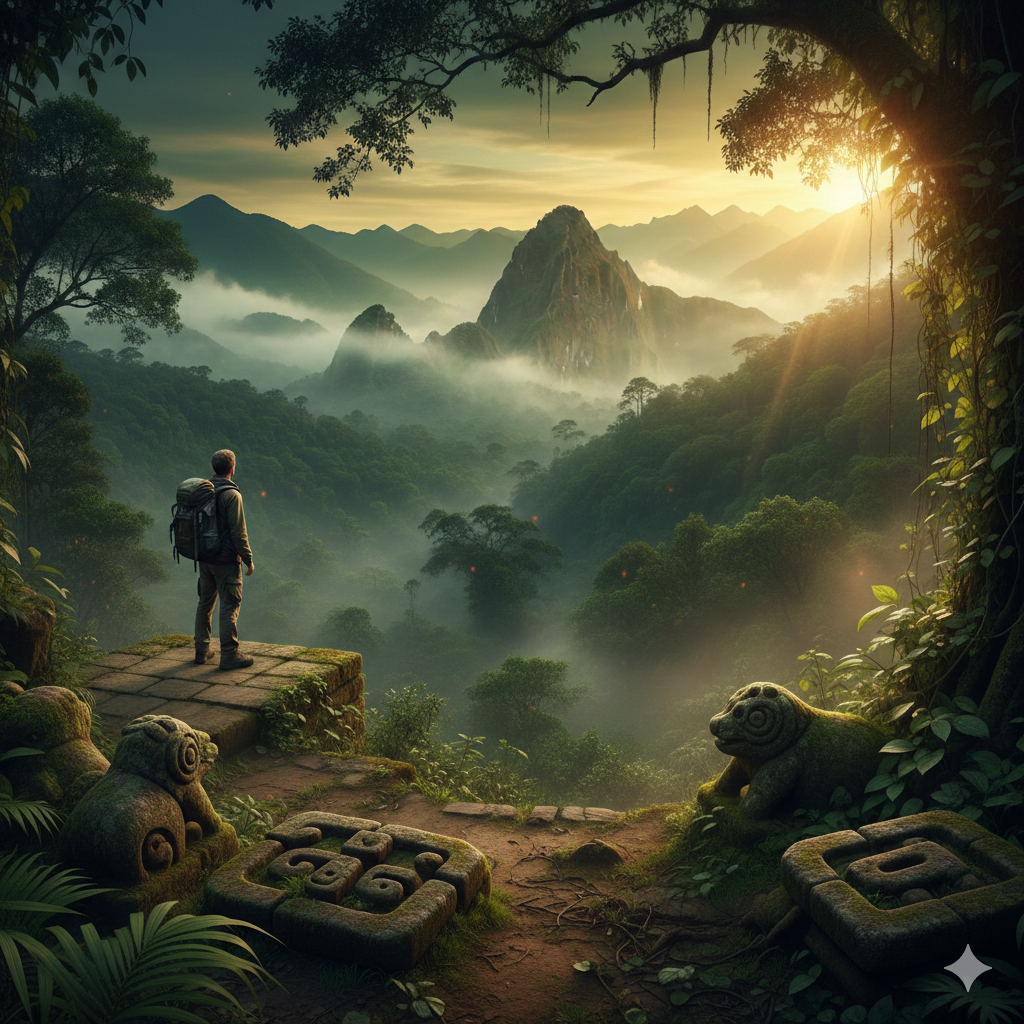
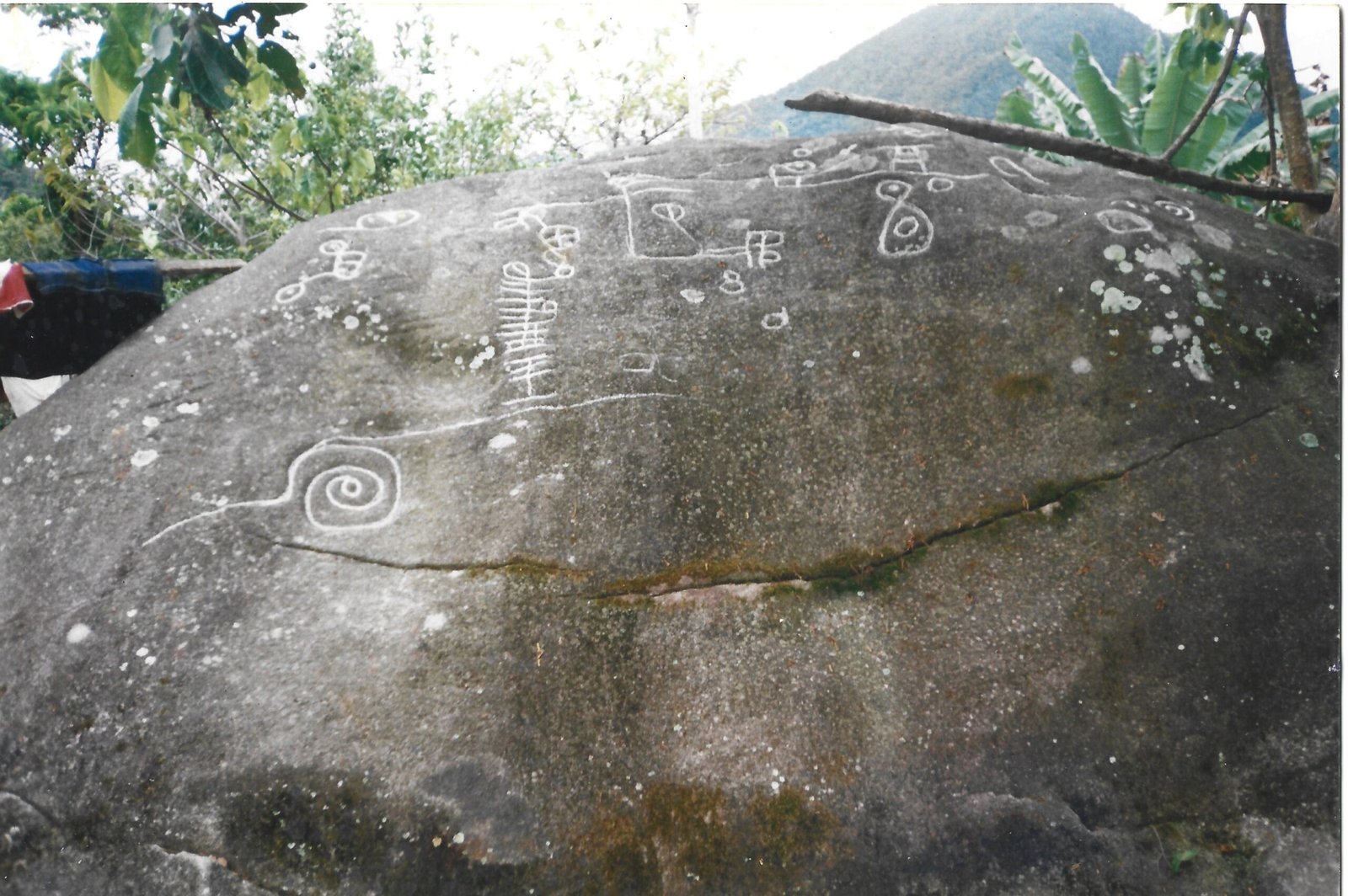
As we followed the mountainside, we encountered ancient stones marked with writing and symbols. We touched them, attempting to sense their meaning, though interpretation was speculative at best. The terrain was long and physically taxing. Along the way we passed locals carrying heavy produce to market, chewing coca leaves to manage the altitude. They shared some with us, and we did the same.
Rising Tension
As we moved deeper, tension began to grow. We were warned that nearby cocaine plantations operated in the region. Our guide contacted officials via satellite phone and was told that the government was unhappy with our presence. There were concerns that we might be accused of disturbing archaeological sites, even though that was not our intention.
Despite the uncertainty, we continued. More marked stones appeared along the path, partially buried yet deliberate in placement. The flower essence practitioner gathered rare plants and began creating mother tinctures in the field. The work continued, but the atmosphere shifted from exploration to watchfulness.
One night, as we camped in a clearing, horses unexpectedly ran through our tents. It was a sudden and fortunate escape from injury. By morning, with pressure increasing and the atmosphere unsettled, the group made the decision to end the expedition early. What had begun as focused intention had become layered with physical risk and political unease.
The Journey Out
We returned by a more hazardous route, crossing rivers using rope pulleys suspended above the water. The journey out was physically demanding and sobering. Each crossing required concentration and trust. Fatigue began to replace adrenaline.
After several days in the jungle, even a basic shower in the village felt like relief. Water falling from a pipe in a wall carried a comfort that glacial streams had not. Simple routines began to feel valuable again. The body, stripped of convenience, recalibrated quickly.
Although the BBC crew had captured footage, it was not enough for the full vision of the project. The jungle had offered intensity, discovery and tension, yet it had also made clear that this first stage of Peru was not the end of what I had come to experience.
Unfinished
As we returned to Lima, I understood that something remained unresolved. The expedition had been physically demanding and symbolically charged, yet it felt incomplete. The search for the Blue Quartz Crystal Skull had not reached its intended conclusion, and internally I sensed that Peru still held something for me beyond exploration.
The jungle had tested endurance and introduced risk, but it had not yet forced direct confrontation. There was a sense that I had stepped into the outer layer of something deeper. The intensity had begun to build, though I did not yet realise how far it would go.
Peru, at this stage, was not revelation. It was preparation. The terrain had shifted from metaphor to physical reality, and the next descent would not take place along a mountain path but within the mind itself.
The physical intensity of the jungle was only the beginning, and what followed demanded a far deeper psychological descent.
“Peru – Ceremony and Descent (Part 2)”
“Egypt – Mirrors and Instability (Part 2)”
Are You Ready To Continue Your Journey
Timeless Vibrations offers flower, vibrational, and crystal essences that nurture emotional, energetic, and spiritual well-being.
“If You’re New to Flower Essences”
Here are a few simple answers to questions people often ask before getting started.
Here to Support, When You’re Ready
If something here has resonated, you’re welcome to get in touch. This work isn’t about fixing or forcing change, but about gentle support and understanding as you move through your own process, in your own time
Client Reflections
Experiences from clients who have explored the Timeless Vibrations essence range.
The Crystal Essence Ancient One really helped ground me during a period of burnout and mental strain. The first time I used it, I felt emotional and had to sit down, but it allowed me to release old patterns and begin healing. It has had a profound impact and I now use it regularly.”
Beth, Suffolk
“The essences I tried were amazing — each one supported me in different ways, from easing sensitivity to helping me with motivation and discipline toward my goals. Trevor is very knowledgeable and great at recommending the right essences. I will definitely be buying again.”
Paul, Essex
“As someone new to the benefits of healing crystals, I was genuinely surprised by how calming the crystal spray felt. If you believe in the healing powers of crystals, it’s definitely worth trying. A very interesting way to experience their energy.”
Vicky, Dubai
If something resonates, you’re welcome to explore the Timeless Vibrations essence range below.